

A bold vision for downtown Detroit.
The city wasn't buying a parking app. It was buying reasons to come downtown. Park Detroit was commissioned to make a visit easier to plan and easier to complete, and the businesses that depend on people showing up were the reason it mattered.
A parking platform is really a trust platform. Residents don't care about municipal infrastructure. Visitors don't care about operational requirements. They care about one thing: can I park my car, understand the rules, and get on with my day?
As Park Detroit expanded to serve multiple user groups, parking locations, and operational requirements, complexity began surfacing in the experience itself. The work was creating clarity for users without sacrificing the realities of city operations.
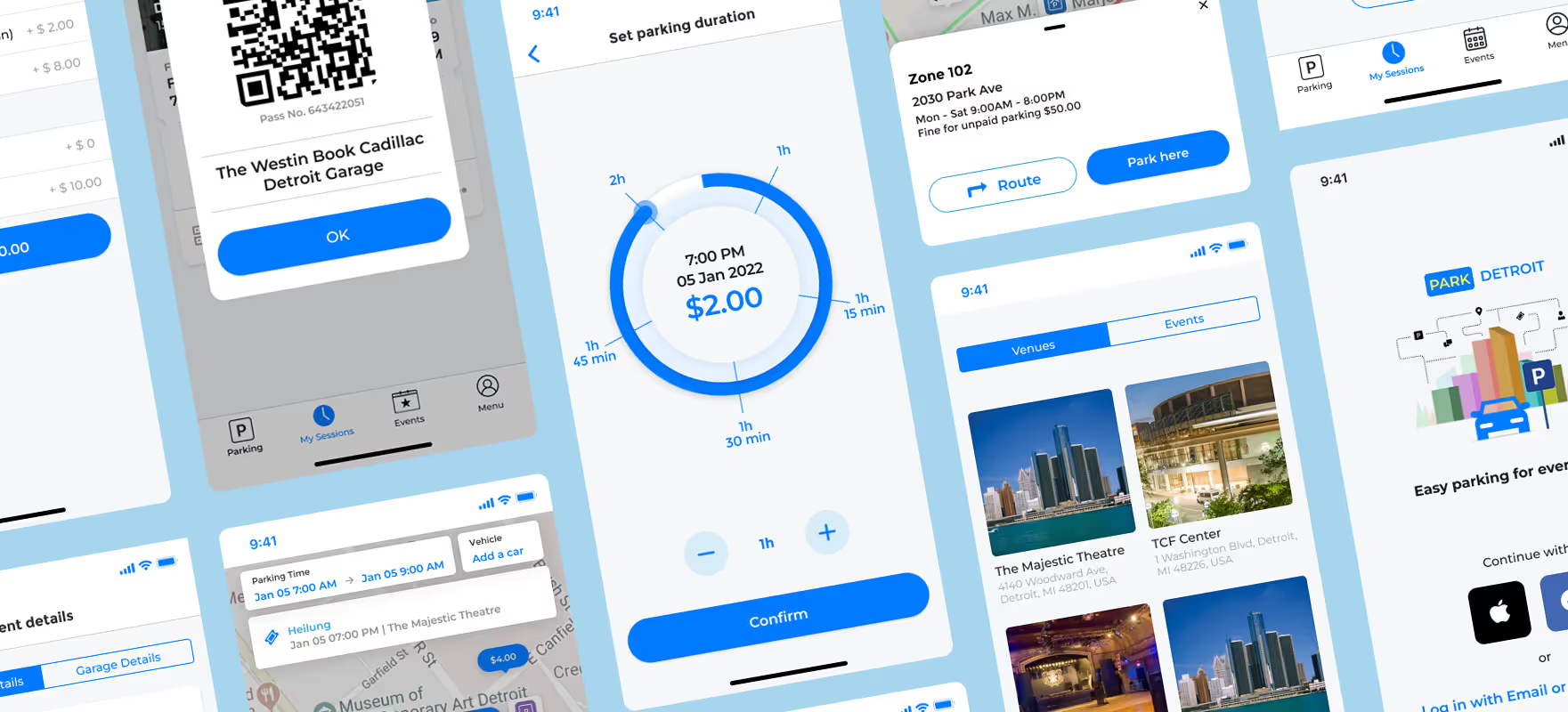
Clear decisions create confident experiences.
The goal wasn't removing complexity. It was deciding where and when it belonged, and keeping it out of the moments when someone needed a quick answer and a clear choice.
Every decision was tested against the same question: does this reduce uncertainty, or add to it? A system that made people guess wouldn't have.
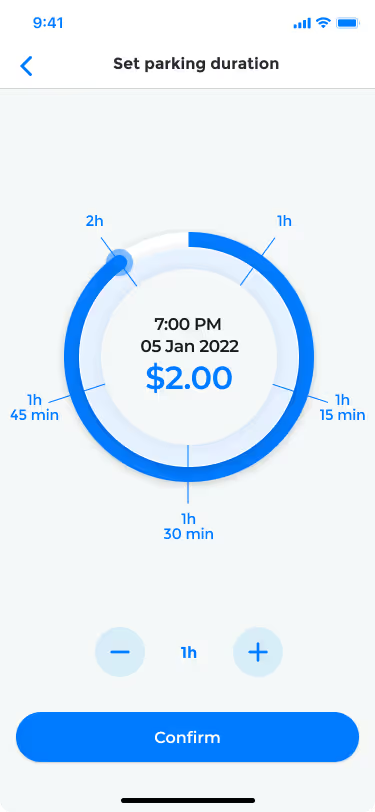
Availability and price, before you leave
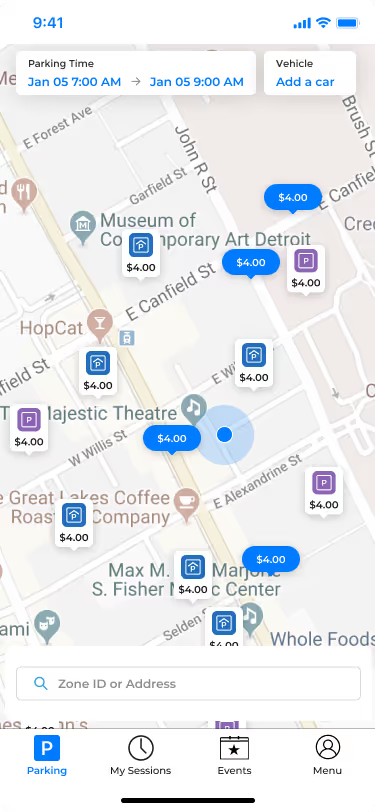
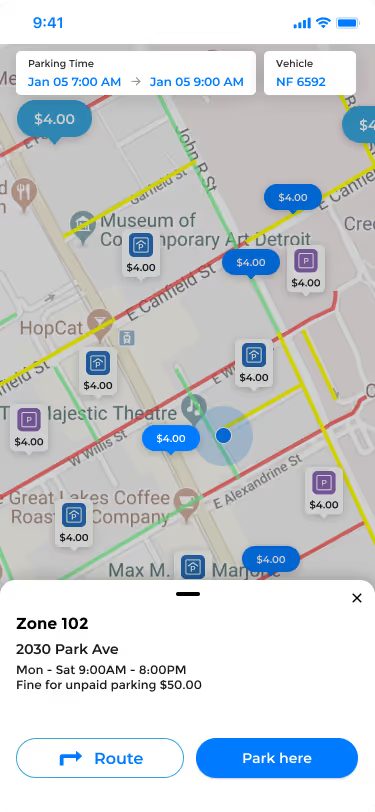
Live occupancy and current rates sit directly in the interface, so a driver knows where to go before setting off. The guesswork of circling the block disappears, and so does the reason to give up and go somewhere else.
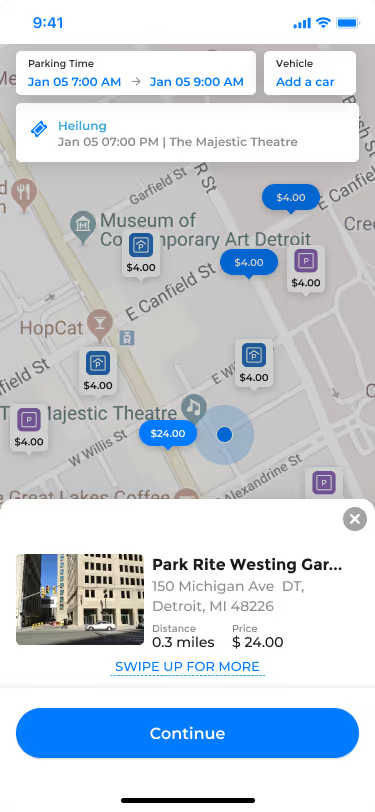
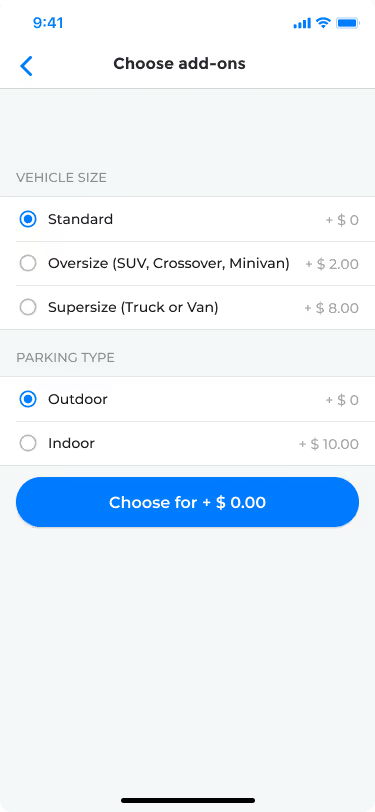
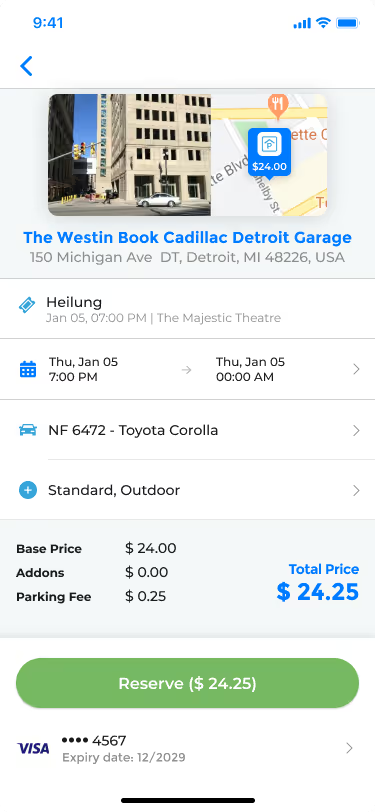
Off-street becomes a decision, not a gamble
Rates, lot photos, and advance reservations replace the uncertainty of arriving and hoping. Drivers can see what they are paying for before they commit to it.
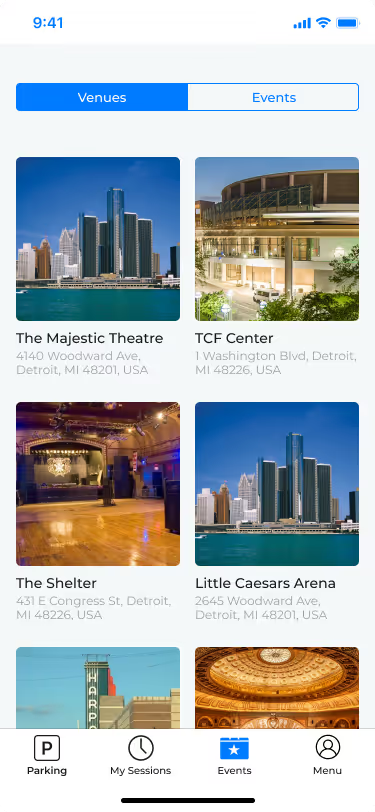
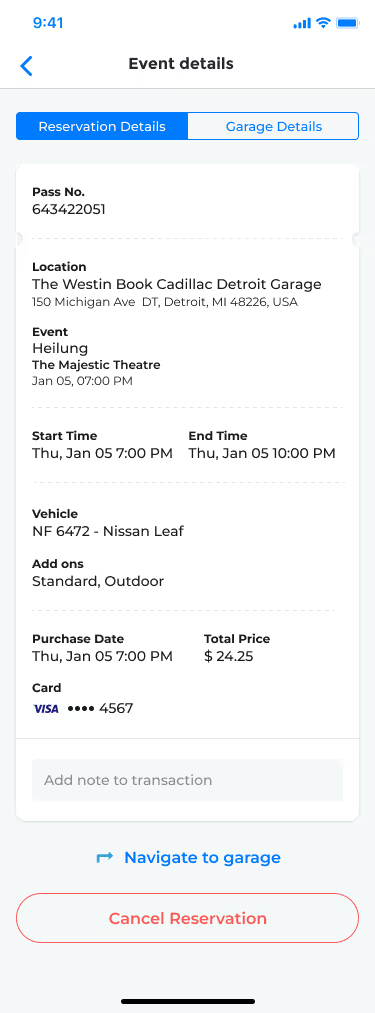
One flow, from the event to the space
Venues, upcoming events, and the parking nearby all live in the same session. What used to take several apps and a lot of tab-switching became one continuous path from deciding to go out to knowing where the car goes.
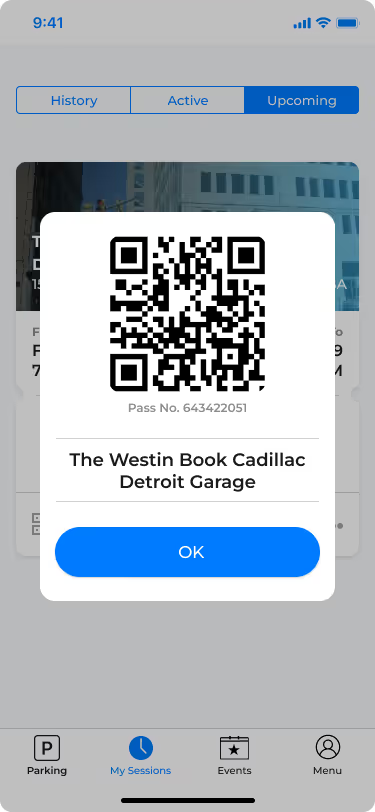
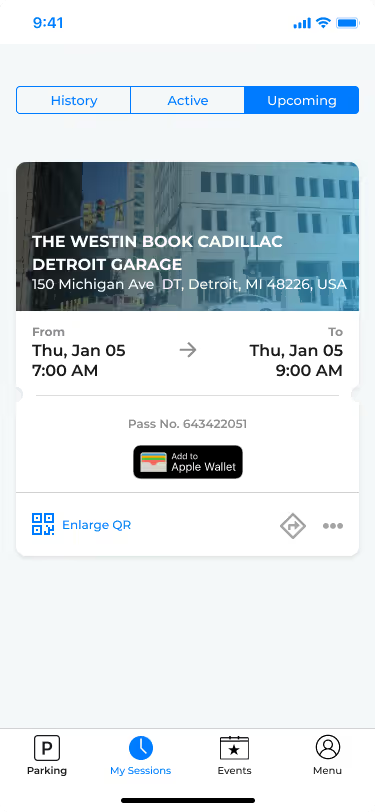
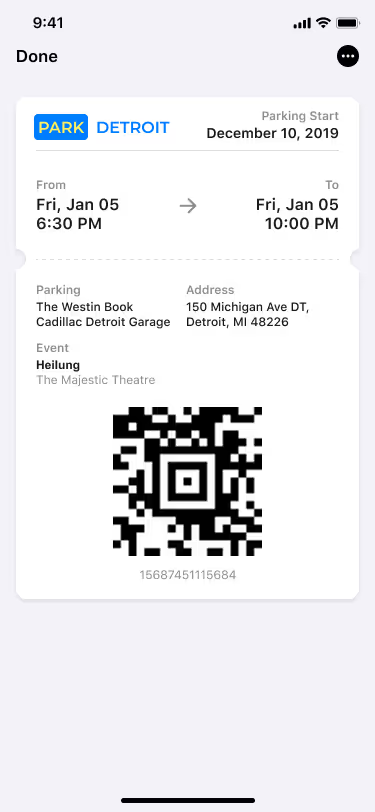
The plan made on a phone works at the gate
A reservation becomes a digital pass with a QR code, scanned for entry and exit. Passes save to Apple Wallet or Google Pay, so nobody arrives at a barrier hunting for a confirmation email.
A parking app that opens up the city
Maps, directions, venue detail, and a find-my-car feature for the walk back turn the last step of a trip into the start of one. Drivers who came downtown for a single reason find the next one, and the businesses around them get the traffic.
"It's my favorite city app to park."
A partnership that drives change.
Park Detroit now carries a city's worth of everyday parking decisions, and the people making them mostly never think about the system underneath.
App Store rating, the closest thing to a direct verdict from the people using it every day
Parking transactions handled every month
On-street parking spaces covered across the city
Off-street parking locations, bookable in advance
Common questions
Simplifying by removing features would have meant hiding information people actually needed, like whether a spot exists before they drive to it. The goal wasn't fewer features. It was making the right information available at the moment someone needed to act on it.
Yes. Any system where someone needs a fast, confident answer under time pressure faces the same problem. Parking is one clear example, not a special case.
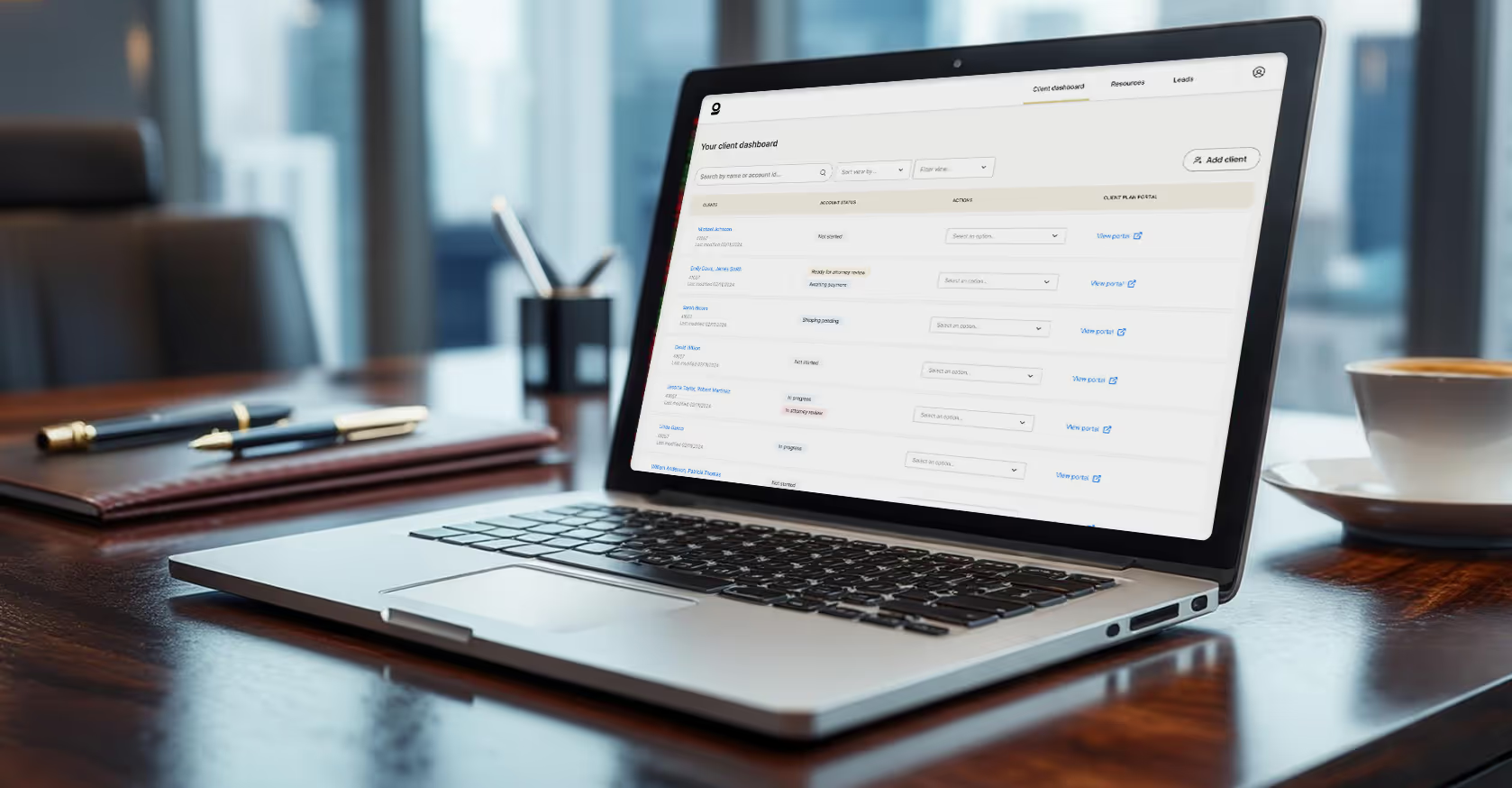
Most decisions get a second try. Estate planning often doesn't.
Estate planning became clearer for the families making difficult decisions and the professionals guiding them.
Estate Guru
35% improvement in task completion • 50% fewer user errors
Let's talk about your project.
Every engagement begins by understanding where you are today, what you're trying to accomplish, and where thoughtful product design can create the greatest impact.